Roofing Contractor Insights: Modern Materials That Last Longer in 2026
The Evolution of Roofing Materials in 2026
The roofing industry continues to advance as technology, climate challenges, and homeowner expectations drive innovation. In 2026, roofing contractor is seeing a clear shift toward materials that offer longer lifespans, improved weather resistance, and better energy efficiency. Modern roofing materials are no longer chosen solely for appearance; durability, sustainability, and performance now play a central role in decision-making. Contractors emphasize that selecting the right material is one of the most critical factors in protecting a home long-term.
Architectural Asphalt Shingles
Architectural asphalt shingles remain a top choice among roofing contractors due to their enhanced durability and visual appeal. These shingles are thicker and layered, providing superior resistance to wind, UV rays, and temperature fluctuations. In 2026, improvements in manufacturing have resulted in better granule adhesion and more extended warranties, often reaching 30 to 50 years. Roofing professionals recommend architectural shingles for homeowners seeking a reliable and cost-effective roofing solution.
Metal Roofing
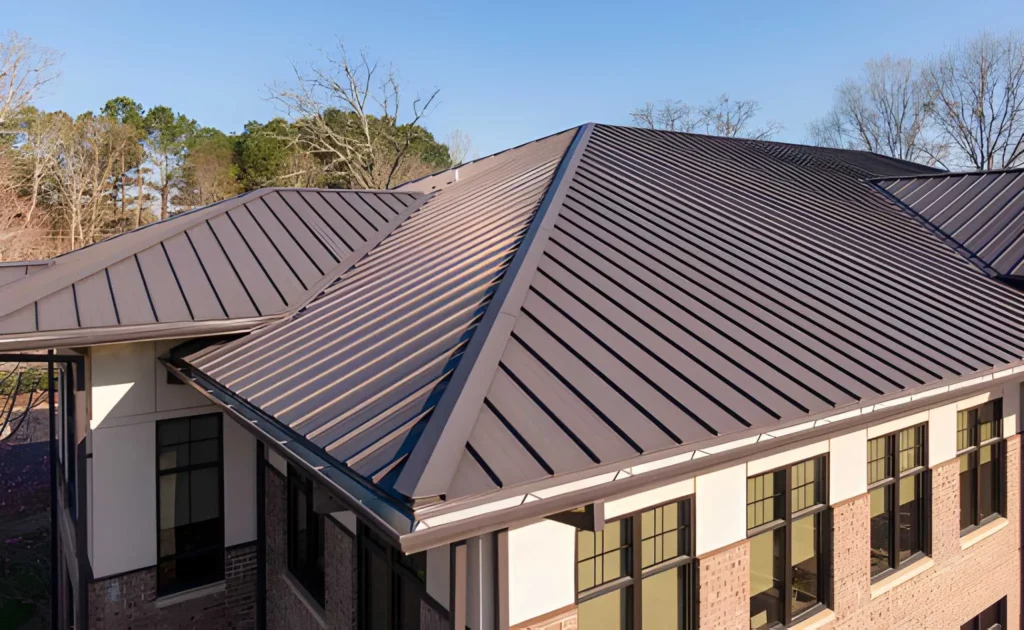
Metal roofing continues to grow in popularity thanks to its impressive lifespan and minimal maintenance requirements. Roofing contractors note that modern metal roofs can last between 40 and 70 years when properly installed. Advanced protective coatings now prevent rust, corrosion, and fading, even in harsh environments. Metal roofing also reflects solar heat, making it an energy-efficient option that reduces cooling costs and enhances comfort.
Synthetic Roofing Materials
Synthetic roofing materials have become a preferred alternative to natural slate, wood, and tile. These modern materials are engineered to replicate traditional aesthetics while offering superior durability and lighter weight in roof replacement. Roofing contractors appreciate their resistance to moisture, cracking, and insect damage. In 2026, synthetic roofing stands out as a low-maintenance option that delivers long-lasting performance without the structural challenges of natural materials.
Clay and Concrete Tiles
Clay and concrete tiles remain popular due to their classic appearance and exceptional longevity. Roofing contractors point out that modern production techniques have strengthened these materials, improving impact resistance and color retention. Concrete tiles, in particular, offer increased durability, while clay tiles excel in heat resistance. With proper installation, tile roofing can last 50 years or more, making it a solid long-term investment.
Cool Roofing Technology
Cool roofing materials are gaining traction as energy efficiency becomes a top priority in 2026. Designed to reflect more sunlight and absorb less heat, these materials help lower indoor temperatures and reduce energy costs. Roofing contractors often recommend cool roof shingles, coatings, and membranes for both residential and commercial properties. By minimizing heat-related stress, cool roofing systems help extend the lifespan of the roof.
Sustainable Roofing Options
Sustainability is influencing roofing material choices more than ever. Roofing contractors report increased demand for eco-friendly options such as recycled shingles, rubber roofing, and solar-compatible systems. These materials reduce environmental impact while maintaining durability and performance. In 2026, sustainable roofing solutions offer homeowners a way to invest in long-lasting materials that align with environmental responsibility.
Advanced Underlayment and Roofing System Components
Roof longevity depends on more than just surface materials. Roofing contractors emphasize the importance of modern underlayments, flashing, and ventilation systems. Synthetic underlayments now provide superior moisture resistance and durability compared to traditional felt. When combined with high-quality accessories, these components create a complete roofing system designed to maximize performance and lifespan.
Impact-Resistant Roofing for Extreme Weather Protection
Impact-resistant roofing materials are increasingly recommended in storm-prone regions. These materials are engineered to withstand hail, high winds, and flying debris. Roofing contractors highlight that impact-rated shingles and metal systems reduce damage during severe weather and may qualify homeowners for insurance benefits. This added protection significantly contributes to a longer-lasting roof.
Conclusion
In 2026, roofing contractor insights highlight a clear trend toward materials that last longer, perform better, and support sustainability. From architectural shingles and metal roofing to synthetic materials and cool roof technology, today’s roofing options are built for long-term protection. By choosing modern materials and partnering with a trusted roofing contractor, homeowners can secure a durable, energy-efficient roof that adds lasting value to their property.
Also Read-Applebee’s Restaurant Recipes and Menu to Try at Home