Night Vision Security Camera Buying Guide
Selecting the perfect night vision security camera for your property is essential to ensure optimum safety and surveillance. Differing camera types offer distinct advantages, particularly when darkness falls. As technology evolves, so does the sophistication of night vision capabilities, making it crucial to understand these advancements before making a purchase. This guide delves into understanding night vision technologies, key specifications that influence performance, installation tips, smart features, and the dependable options offered by eufy. By the end, you’ll be equipped with the knowledge needed to make an informed decision, ensuring peace of mind through the dark hours.
Night Vision Basics: What You Really Get at Night
Night vision cameras transform how we secure our homes after dusk, providing much-needed visibility in darkness. These devices capture images in low-light or no-light conditions by utilizing various technologies that enhance picture quality. While daytime footage is clear and colorful, night footage varies depending on the camera’s capabilities, ranging from infrared black-and-white to color images with spotlight assistance. Understanding these differences helps ensure you choose a camera that meets your specific needs, balancing factors like clarity, stealth, and illumination. Whether scrutinizing your driveway or monitoring indoor spaces, night vision performance is pivotal for effective surveillance.
Night Vision Types: IR, Color Night Vision, and Starlight
Infrared night vision (black-and-white)
Infrared (IR) night vision cameras use infrared LEDs to illuminate objects in the dark, making them visible in black-and-white. This technology provides clear, detailed images regardless of lighting conditions, perfect for unobtrusive outdoor surveillance. IR night vision captures intricate details such as facial features and movements without disturbing the scene with visible lights, ensuring discreet monitoring. While color is absent, the clarity and definition provided make IR cameras a popular choice for those prioritizing stealth over aesthetics in their security solutions.
Color night vision with spotlights
Color night vision cameras incorporate spotlights to illuminate darker areas, capturing full-color images even in total darkness. These cameras are ideal for locations where true-to-life color may be essential, such as recognizing the color of a vehicle or distinguishing between similarly dressed individuals. While spotlights can ensure comprehensive area coverage, they may attract attention, potentially deterring trespassers. However, it’s essential to consider light pollution or disturbance factors as these spotlights can alter privacy dynamics within your environment.
Starlight sensors (low-light color)
Starlight sensors elevate low-light performance, enabling cameras to produce vibrant color images under minimal lighting conditions. They depend on advanced sensor technology to amplify light, capturing clear images without additional illumination. This technology suits spacious outdoor locations where lighting infrastructure is limited but resolution is crucial, delivering stunning results in moonlit settings. Its effectiveness hinges on subtle lighting, ensuring sectors like large backyards or open fields are surveilled without spotlight intervention, maintaining natural ambiance along with security.
How to choose the right type for your home
Selecting the ideal night vision camera requires evaluating your unique surroundings and security needs. Consider factors such as desired image clarity, level of discretion, and environmental conditions. For hidden surveillance without drawing attention, IR cameras excel, offering remarkable detail. If full-color imagery benefits perimeter identification, opt for cameras featuring spotlights or starlight sensors. Assessing nearby ambient lighting, privacy concerns, and installation proximity can guide purchasing decisions, ensuring the selected camera aligns with your home’s safety initiatives efficiently.
Key Specs That Matter Most
Night vision range and IR strength
The range of night vision cameras is pivotal in determining the scope covered in darker hours. The strength and placement of IR LEDs, sensor quality, and environmental factors contribute to this range. Varied distances are achievable based on camera specifications, with powerful IR LEDs ensuring coverage upwards of 50 feet or more. For expansive properties or complex terrain, high-range cameras provide comprehensive surveillance, ensuring no corner is overlooked. Prioritize assessing IR classification and configuration for optimized performance matching spatial requirements.
850nm vs 940nm IR LEDs: range vs stealth
Understanding IR LED specifications is crucial for optimal camera function. Cameras with 850nm LEDs achieve longer distances with brighter illumination, but are detectable to the naked eye, potentially compromising stealth. Conversely, 940nm LEDs offer covert illumination but reduce effective range. Selecting between these IR types depends on prioritizing discreet monitoring versus comprehensive distance coverage. If maintaining inconspicuous surveillance is critical, the reduced range of 940nm IR LEDs may be suitable, ensuring stealth remains uncompromised.
Resolution at night: 2K vs 4K and what changes after dark
Night-time resolution critically influences image clarity, especially under limited light. While 4K cameras deliver superior detail, night efficacy depends significantly on sensor capabilities, spotlight assistance, and IR strength. Higher resolution aids feature discernment but can result in trade-offs like increased storage requirements. For properties demanding meticulous detail or forensic utility at night, choosing advanced 4K options is advisable. Emphasizing sensor technology more than standalone resolution ensures effective translation from day to night footage.
Frame rate, shutter speed, and motion blur
Frame rate and shutter speed determine how motion is captured in low-light conditions. Lower frame rates can result in motion blur, distorting imagery during shifts, while faster speeds ensure fluidity in tracking movement. Tailoring these specifications to space’s activity level ensures critical action remains detailed. If your environment encounters frequent movement or fast-paced activity, high frame rates are necessary. Adjusting shutter speed complements this need, delivering sharp, uninterrupted surveillance footage regardless of nocturnal bustle.
Field of view and lens choice for driveways and yards
The field of view dictates area coverage, impacted by lens type and camera placement. Wider fields suit expansive spaces like yards, capturing expansive sectors effortlessly. Whether prioritizing perimeter checks or driveway angles, aligning lens choice—zoom or wide-angle—with security needs defines effectiveness. Balance clarity requirements with field range, ensuring neither detail nor global coverage is compromised. Evaluate yard layouts or driveway configurations, selecting lenses that incorporate appropriate viewpoints and magnification levels.
Where You Install It Changes Everything
Doorway cameras: close-range detail and glare control
Doorway cameras necessitate close-range precision, capturing details like visitors’ faces or parcels. Controlling glare from lights or windows during installation defines image quality, ensuring undue brightness does not obscure critical information. Avoid direct placement facing light sources, improving clarity and definition. Complementing these cameras with adaptable IR settings makes doorways secure, advancing surveillance sophistication. Adjusting angles and utilizing glare-reduction accessories ensures crisp, undistorted doorway footage.
Driveways: angle, height, and plate readability
For driveways, security remains contingent on camera angle and placement height. Optimized angles ensure license plates and vehicle details are captured clearly, preventing ambiguity during surveillance. Balancing height with field spread, these cameras address both near and far-distanced monitoring objectives. Plate readability defines forensic utility, prioritizing defined positioning above vehicles or angled adequately. Consider driveway configurations, ensuring placement guarantees comprehensive coverage with minimal gaps for effective surveillance.
Backyard coverage: distance, trees, and hiding spots
Backyard cameras face unique challenges, dealing with environmental factors such as distance variability, obstructive foliage, and potential hiding spots. Configurability in field range coupled with optimized IR settings ensures areas remain vigilantly monitored. Placing cameras strategically bypasses obstructions, ensuring hidden zones or outlying regions are covered robustly. Evaluate backyard dynamics, ensuring the selected camera considers tree placement and potential encroachments, maximizing nighttime security coverage.
Indoor night vision: reflections, windows, and privacy
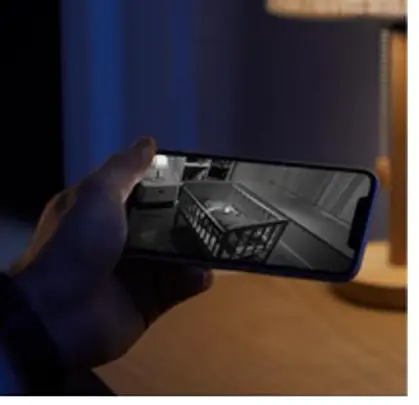
Indoor night vision cameras prioritize privacy while addressing challenges like reflections and window glares. Selecting models with adjustable IR strength mitigates reflective interference. Prioritize cameras accommodating environmental light sources, optimizing angle placement away from immediate glare risks. Understanding spatial setup and daylight variations, indoor cameras require careful positioning, balancing visibility concerns with security needs. Ensuring devices account for internal lighting dynamics maintains flawless function, respecting privacy while delivering enhanced indoor surveillance.
Smart Features That Improve Night Security
Smart features elevate night security through functional augmentations like motion detection alerts, automatic spotlight activation, and cloud storage adaptability. These integrations reshape real-time monitoring efficiency, providing instant notifications upon detecting anomalies. Cameras equipped with AI-powered features autonomously adjust settings according to environmental variance, improving situational awareness. Selecting devices supporting these functionalities aids in comprehensive surveillance management, ensuring your property remains vigilantly protected against nocturnal threats.
Power and Connection Choices
Reliable power and connection configurations form the backbone of effective security solutions. Wi-Fi-enabled cameras afford seamless network integration, ensuring consistent surveillance while eliminating wiring constraints. Battery-powered variants offer placement versatility, ensuring functionality persists even during outages. Hardwired cameras, conversely, ensure uninterruptible power, promising steadfast operation. Evaluate property infrastructure, selecting preference-aligned connectivity solutions for optimized surveillance integrity amid diverse power landscapes.
Product Examples From eufy That Fit Night Use Cases
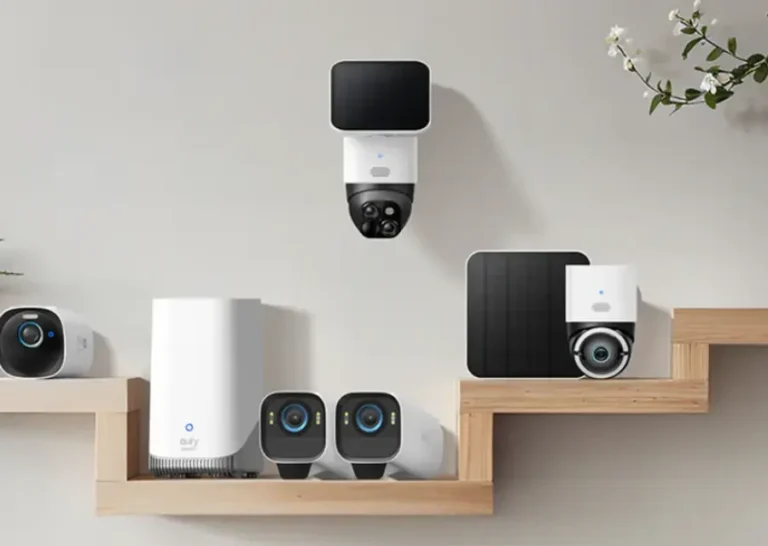
eufy offers several night vision camera options, each catering to distinct use cases. The eufyCam 2C Pro combines wireless capability with 2K daylight resolution and excellent infrared night vision, ideal for various outdoor landscapes. Its starlight sensor provides color night imagery, suited for backyard surveillance under subdued lighting. For indoor security, the eufy Indoor Cam 2K affords comprehensive coverage, solving reflections and glare through versatile positioning. Additionally, the eufy Security Floodlight Cam encapsulates smart feature integrations, including motion alerts and spotlight activation, redefining outdoor surveillance effectiveness. Each eufy product brings unique attributes designed to match specific security demands, ensuring versatile application across diverse settings.
Conclusion
Night vision security cameras are pivotal for effective after-dark monitoring, providing visibility when it counts the most. Understanding various types—including IR, color, and starlight—ensures selection aligns with security needs. Exploring key specifications like resolution, IR strength, and field coverage informs purchase decisions while installational insights guide optimized placement. Smart features fortify nighttime surveillance, supplemented by consistent power configurations. Evaluate eufy’s product offerings to find the perfect match for your home’s security framework, cementing peace of mind through robust color, clarity, and coverage.