What Is Oral Surgery And When Do You Need It
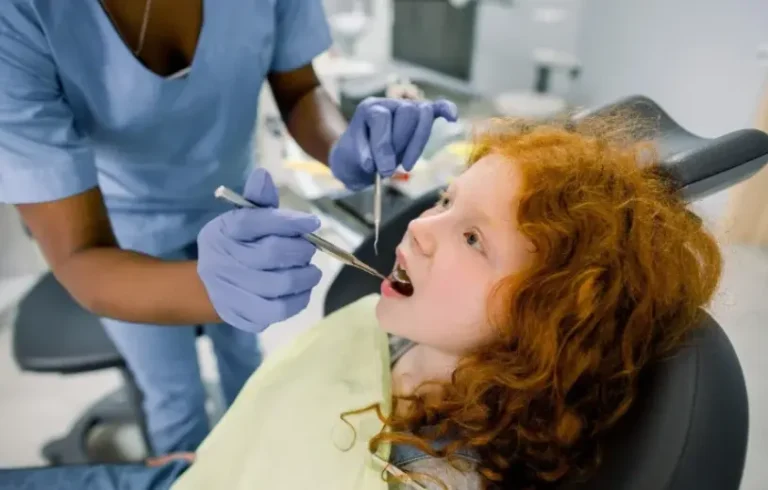
Most dental visits involve routine cleanings, fillings, or basic checkups. However, some oral health problems need more advanced care. Oral surgery treats serious conditions that affect your teeth, gums, jawbones, and facial structures.
Oral surgeons handle problems that regular dental treatments cannot fix. They treat damaged teeth, jaw problems, and other complex conditions. Learning about these procedures can help patients feel more comfortable before treatment. It also helps them understand what to expect during recovery.
What Is Oral and Maxillofacial Surgery?
Oral and maxillofacial surgery is a dental specialty that treats diseases, injuries, and defects in the mouth, jaw, and face. These specialists complete years of advanced training after dental school. Their training includes hospital-based surgical care and complex dental procedures.
Many patients research OMFS stats for 2027 to learn more about the growth of this specialty. The number of oral and maxillofacial surgeons in the United States has increased over time. This growth gives more patients access to advanced dental care.
Oral surgeons perform several types of procedures. Some treat painful conditions, while others restore damaged areas or improve how the jaw works.
Replacing Missing Teeth With Dental Implants
Missing teeth can affect how you eat, speak, and smile. Dental implants provide a long-term way to replace missing teeth. They use small titanium posts that sit inside the jawbone. These posts act like artificial tooth roots.
Oral surgeons place the implants with care to help them stay stable. Over time, the jawbone grows around the titanium posts. This process creates a strong base for replacement teeth.
However, successful implants need enough healthy bone support. Patients with thin or weak jawbones may need a bone graft before implant surgery. A bone graft adds support and creates a stronger base for the implant.
Once healing is complete, the dentist attaches a replacement tooth to the implant. The result looks and works much like a natural tooth. With proper care, dental implants can last for many years.
Correcting Jaw Problems With Surgery
Jaw alignment affects more than the appearance of your smile. A poorly aligned jaw can make chewing difficult. It may also cause speech problems, uneven tooth wear, and ongoing jaw pain.
Braces can correct many problems with tooth position. However, they cannot fix every problem with the jawbones themselves. In these cases, patients may need corrective jaw surgery, also called orthognathic surgery.
During this procedure, an oral surgeon moves the upper jaw, lower jaw, or both into better positions. This helps improve the bite and creates better balance between the jaws.
How Digital Technology Improves Surgery
Modern technology has changed the way oral surgeons plan procedures. Digital tools help surgeons study the mouth and jaw before surgery begins.
They can create detailed images of the patient’s bone structure and nearby nerves. These images help identify important areas and reduce guesswork during treatment.
Computer-guided planning also helps surgeons choose the best approach for each patient. It can improve accuracy when placing dental implants or correcting complex jaw problems.
Final Thoughts
Oral surgery treats dental and jaw problems that need more than routine care. Procedures such as wisdom tooth removal, dental implant placement, and corrective jaw surgery can improve comfort and daily function.
Working with a trained oral surgeon helps patients understand their treatment options. With the right care, oral surgery can protect long-term oral health and help restore a healthy, comfortable smile. Check out our blog for more tips!
Also Read-Birthday Promotion Football Betting: Celebrate and Earn Rewards